
Worried about an online or emotional affair? Start here →
By Hasani Pettiford · Last updated November 4, 2026
In short: Technology doesn’t make you a cheater, but it makes you a bigger version of what you already are, and it creates openings that weren’t there before, especially reconnections with old flames. Hasani’s ground rules for couples come down to three things: make your marriage visible, keep everything transparent, and don’t open doors you wouldn’t open offline.
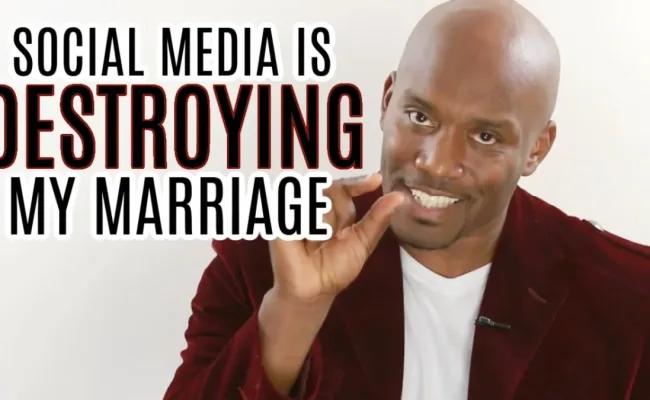
Watch: 18 social media rules every couple must follow to protect their marriage (Hasani Pettiford)
Key takeaways
- Technology makes you a bigger version of what you already are, and it creates new vulnerabilities.
- Reconnecting with an old flame online is especially risky: “your emotions have a memory.”
- Make your marriage visible: married status, your spouse named, pictures together.
- Keep it transparent: shared passwords, nothing hidden, no secret messages.
- Don’t open doors: no flirting, no comments on looks, no friending exes without asking.
- Think before you post. If in doubt, do without.
Why couples need ground rules online
Most people don’t go online looking for an affair. But social media gives easy access to people you would never otherwise be in contact with, and without clear boundaries, lines blur. What seemed appropriate becomes a problem, and people find themselves in situations they never expected.
Hasani is especially cautious about reconnecting with an old flame, an ex or a high school sweetheart. Your emotions have a memory: a few conversations can bring old feelings back, and messages can move to texting, then to meeting up. Those things happen because couples never set ground rules.
Hasani’s ground rules
- Show you are married. Set your relationship status to married, not “it’s complicated” or blank.
- Name your spouse. Link your spouse’s profile to yours, so there is no ambiguity about who you are married to.
- Share passwords. With radical honesty and transparency, each of you can log into the other’s accounts. It also reminds you to act with integrity.
- Don’t air your dirty laundry. Venting about your spouse online invites the world into your marriage, and someone may be watching for a moment of weakness.
- Be smart about what you post. Avoid photos or posts that would make your spouse uncomfortable or signal that you are available.
- Pick your friends wisely. Before accepting a friend request from someone of the opposite sex, ask why: do you know them, do you share friends, do they add value?
- Don’t post everything. Your private life, and especially your marriage, doesn’t belong on public display.
- Don’t “poke” or nudge others. A low-key “pay attention to me” to an ex or a new acquaintance opens a door.
- Say nice things about your spouse. Celebrate your spouse in public, honestly. Don’t fake a perfect marriage online.
- Ask before friending an ex or a “close call”. If your spouse sees a connection as a risk, honor that and don’t connect.
- Don’t comment on other people’s looks. Compliments about appearance can invite a connection that grows into something inappropriate.
- Don’t hide posts or messages from your spouse. If you wouldn’t keep it secret offline, don’t keep it secret online.
- Don’t drag fights onto social media. Posting about your spouse, in-laws or a conflict makes resolution harder.
- Don’t flirt online. If flirting is wrong offline, it is wrong online. Online flirting often moves offline.
- Unfriend anyone who crosses the line. If someone keeps sending suggestive messages or comments, remove them.
- Post pictures of the two of you. If there is no sign of your spouse anywhere on your profile, it is worth asking why.
- Engage with your spouse’s posts. Like, share and comment from time to time: interest, not surveillance.
- Flirt with your spouse online. Let the world see you love each other. It can encourage other couples too.
- Think before you post. Ask how it will affect your reputation and your marriage a day, a month, a year from now. If in doubt, do without.
If social media is already part of the problem
If an online connection has already crossed a line, these rules become part of recovery: a no-contact agreement on every platform, shared access to accounts, and blocking the affair partner everywhere. See how to know the affair is really over.
Go deeper
Hasani and Danielle Pettiford’s The Audacity of Marriage: 10 Principles for Life-Long Partnership is a blueprint for building a marriage that lasts. See it in our store →
Frequently asked questions
Should married couples share social media passwords?
Hasani recommends it. When there is honesty and transparency, sharing access isn’t a problem, and it is a reminder to act with integrity.
Is it OK to be friends with an ex on social media?
Ask your spouse first. If they see it as a risk, honor that and don’t connect. Hasani’s own rule is not to friend past romantic partners.
Is liking someone’s photos or commenting on their looks cheating?
Not by itself, but comments on appearance can invite a connection that grows into something inappropriate. It is safer not to.
Why is reconnecting with an old flame online so risky?
Because emotions have a memory. Old feelings can come back quickly, and online conversations can move offline.
What if my spouse has no pictures of us on their profile?
It is worth a calm conversation about why. Making your marriage visible is one of the simplest ways to protect it.
Related questions
- Can men and women really just be friends?
- How do I know the affair is really over?
- What is an emotional affair?
- Emotional affairs: what to do first
Get started
Book a free, confidential 30-minute discovery call with Hasani and Danielle. We’ll listen, and tell you honestly what we think the next step is.
Book a free discovery call Call or WhatsApp +1 470-771-6254
Not ready to talk yet? Take the free Affair Recovery Assessment.
Important note: Couples Academy provides relationship coaching, marriage support, and educational resources, not licensed therapy. If you are in immediate danger, experiencing abuse, domestic violence, or a mental health emergency, please contact emergency services or a qualified crisis resource in your area.