
Just found out about an affair? Start here: what to do first →
By Hasani & Danielle Pettiford · Last updated November 4, 2026
In short: Therapy is licensed mental-health care: a therapist can diagnose and treat conditions such as depression, anxiety or trauma. Coaching, which is what we offer at Couples Academy, is structured, skills-based guidance focused on your marriage and on recovering from the affair. If either of you needs mental-health treatment, see a licensed clinician; coaching is not a substitute for that care.
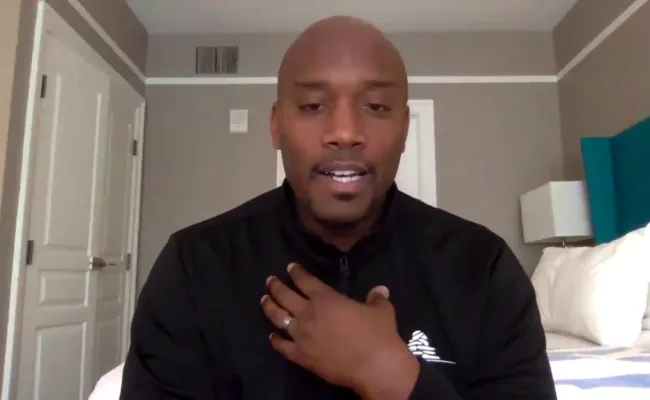
Watch: Why getting help after an affair often fails (and what works instead) (Hasani Pettiford)
Key takeaways
- Trying to repair the marriage on your own puts you at a disadvantage. You may not yet have the skills, or the sensitivity to each other’s pain, to work through it alone.
- General help can miss the affair entirely. Look for someone who specializes in infidelity, the way you’d see a specialist rather than a family doctor for a specific problem.
- We work on three fronts at once: the marriage, each partner’s individual recovery, and the affair itself.
- Both partners are hurting, in different ways. The partner who had the affair needs their own recovery process too.
- Coaching is not therapy. It doesn’t diagnose or treat mental-health conditions, and it doesn’t replace that care when it’s needed.
- Be careful who you go to. Ask what they specialize in and how they work before you start.
What’s the difference between coaching, counseling and therapy?
Therapy and counseling are licensed mental-health care. They’re provided by clinicians licensed by their state, such as psychologists, marriage and family therapists, professional counselors and clinical social workers. A licensed clinician can assess, diagnose and treat conditions like depression, anxiety, trauma or addiction, and insurance coverage usually requires a licensed clinician and a diagnosis (Grow Therapy).
Coaching is not licensed health care. A coach doesn’t diagnose or treat anything. Coaching is structured guidance: education, skills, a clear process and accountability, aimed at the changes you and your spouse want to make. In everyday speech people use “counseling” loosely for both, so it’s worth asking any provider directly which one they offer.
What does Couples Academy do?
Couples Academy provides relationship coaching for infidelity recovery and marriage restoration. It is led by Hasani and Danielle Pettiford, who have worked with couples in crisis for 20 years and with over 800 couples. Hasani is an Infidelity Recovery Specialist; Danielle is an ICF-certified executive coach; both trained as marriage and family coaches through the Adventist church. We are not therapists and we don’t provide licensed therapy.
After an affair, we work on three fronts at the same time:
- Marital recovery: assessing what went wrong in the relationship and putting the right building blocks back in place.
- Individual recovery: the betrayed partner and the partner who had the affair are both hurting, in completely different ways, so each needs their own path. Too often all the attention goes to the betrayed partner, and the partner who had the affair never does their own work.
- Affair recovery: not just touching on the affair, but taking you through a six-stage process from discovery to forgiveness.
That work happens in a private marriage intensive (3 to 5 days, one couple at a time) or through Urgent Marriage Counseling, our weekly virtual coaching option. To see how an intensive compares with weekly therapy, group retreats and online courses, read Marriage intensive vs. other options.
Why does a specialist matter after an affair?
Hasani uses the family doctor as an example. Your family doctor handles general medicine, but for a back, knee or eye problem, a good family doctor refers you to a specialist. The same is true after an affair. Help that sticks to general marriage problems can leave the affair itself unaddressed, and the residue of it keeps carrying into your future. Whoever you choose, coach or therapist, look for someone who has spent a large part of their career working with couples affected by betrayal.
When do you need a licensed clinician instead?
See a licensed clinician (or a doctor) first, and don’t rely on coaching alone, if any of these apply:
- Either of you is thinking about suicide or self-harm, or anyone is at risk of being hurt. Call emergency services. In the US, call or text 988.
- There is abuse, violence or coercion in the relationship. Safety comes before any work on the marriage.
- Symptoms like depression, panic, sleeplessness or intrusive thoughts aren’t easing, or are getting in the way of daily life.
- Alcohol, drugs, gambling or another addiction is part of the picture.
- You need care that insurance will cover.
Coaching and therapy aren’t either-or. Some couples work with a therapist for individual mental-health care and with a coach on the marriage at the same time. If you’re not sure which you need, tell us on the discovery call and we’ll be honest with you.
How do you choose who to work with?
Before you commit, ask any coach or therapist:
- Are you a licensed clinician or a coach?
- How much of your work is with couples recovering from an affair?
- What is your process, and how does it deal with the affair itself, not just general marriage problems?
- How do you support each partner’s individual recovery, including the partner who had the affair?
- What do you do if there are safety concerns, such as abuse or a mental-health crisis?
Go deeper
Hasani’s Moving Forward After Infidelity: From Discovery to Recovery (2025) follows couples along the same three paths: the betrayed partner’s, the unfaithful partner’s, and the couple’s together. See it in our store →
Frequently asked questions
Is Couples Academy therapy?
No. Couples Academy provides relationship coaching, not licensed therapy. We don’t diagnose or treat mental-health conditions. If either of you needs that kind of care, please see a licensed clinician.
Can a coach help after an affair?
Coaching can give a couple structure, skills and a clear process for working through the affair, the marriage and each partner’s own recovery. It works best when the coach specializes in infidelity. It isn’t a substitute for mental-health treatment.
When should we see a therapist instead of a coach?
See a licensed clinician first if anyone is at risk of harm, if there is abuse or violence, if depression, anxiety or trauma symptoms aren’t easing, if addiction is involved, or if you need insurance coverage. In an emergency, call emergency services; in the US you can call or text 988.
Can we work with a therapist and a coach at the same time?
Yes. Some couples see a therapist for individual mental-health care and work with a coach on the marriage. If you do both, let each of them know about the other.
Does insurance cover relationship coaching?
Generally no. Insurance coverage for couples work usually requires a licensed clinician and a diagnosis, and coaching programs can’t bill insurance.
Related questions
- Does marriage counseling help after infidelity?
- Marriage intensive vs. other options
- Should we separate after an affair?
- Affair recovery: what to do first
Get started
Book a free, confidential 30-minute discovery call with Hasani and Danielle. We’ll listen, and tell you honestly what we think the next step is.
Book a free discovery call Call or WhatsApp +1 470-771-6254
Not ready to talk yet? Take the free Affair Recovery Assessment.
Important note: Couples Academy provides relationship coaching, marriage support, and educational resources, not licensed therapy. If you are in immediate danger, experiencing abuse, domestic violence, or a mental health emergency, please contact emergency services or a qualified crisis resource in your area.