
Spouse won’t get help? Start here →
By Hasani Pettiford · Last updated November 4, 2026
In short: Many betrayed partners expect tears and apologies and instead meet a spouse who seems cold, defensive, or sorrier about getting caught. In Hasani’s experience, the most common reasons are that the affair isn’t fully over, the affair was used as an exit, built-up grievances, self-protection and denial, or wanting the whole thing to “just go away.” Remorse is one of the pillars of restoration, so it is worth understanding what is blocking it.
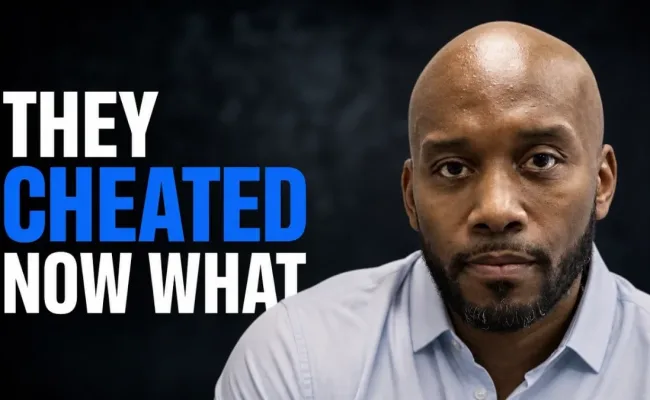
Watch: My spouse cheated! Where is the remorse? (Hasani Pettiford, Infidelity Recovery broadcast)
Key takeaways
- A lack of remorse after discovery is common, and it is painful. It is not a sign that you are asking for too much.
- Ongoing contact with the affair partner, even as “friends,” is one of the biggest blocks to remorse.
- Some spouses don’t feel remorse because the two of you never defined what counts as an affair, especially an emotional one.
- Others used the affair as a way out, or justify it with years of grievances.
- Some avoid remorse because admitting fault means facing the pain they caused.
- In the meantime: be patient, pray, focus on your own healing, and get help if you are stuck.
Why there may be no remorse
Many hurt partners assume that once an affair is discovered, their spouse will come back begging for forgiveness. Many couples don’t have that experience. Their spouse is unapologetic, or seems more upset about being caught than about what they did. Here are the reasons Hasani sees most often.
1. They don’t believe it was cheating
This happens most with emotional affairs. A friendship at work, at church or online becomes more and more personal, until there is an emotional connection. If the two of you never agreed on what counts as an affair, your spouse may justify what happened. That is why couples need a working definition of infidelity, unfaithfulness and inappropriate behavior. See emotional affairs: what to do first.
2. They used the affair as an exit
Some spouses left the marriage emotionally long before the affair. They are physically present but checked out, and the affair becomes their justification for leaving. If, in their mind, the marriage was already over, they don’t see a reason to feel remorse.
3. They are holding on to grievances
Some people cheat out of anger and frustration that has built up for years. When they are exposed, they point to what their spouse did or didn’t do. That rationalization makes remorse very hard.
4. The affair isn’t really over
If your spouse is still in contact with the affair partner, or still undecided between the affair and the marriage, it is hard to feel remorse. Hasani has worked with couples where both partners came to every session, and progress stalled because one of them was secretly still in the affair.
5. Self-preservation and denial
Some people build a wall of justifications around what they did. They admit it was wrong, but insist they had their reasons and you should “get over it.”
6. Remorse would keep the issue alive
Some spouses would rather the issue just went away. Saying “I was wrong” would force them to deal with the pain, the guilt and the shame. Hasani often notices that the unfaithful partner has the lowest tolerance for the pain of recovery, even while the hurt partner carries months of it.
Why contact with the affair partner matters so much
While there is still any contact with the affair partner, the unfaithful spouse’s thoughts and emotions stay confused, and they can keep going back and forth about whether to stay or go. That is why we ask both partners to sign a no-contact agreement: no phone calls, texts, social media, email or shared social settings.
“Staying friends” doesn’t work. Once a relationship has gone into emotional or sexual intimacy, it can’t simply go back to being a friendship. If the affair partner is at the same job, church, gym or club, it may be time for a transfer or a new church home, for the sake of the marriage. People who don’t make that hard break tend to prolong their feelings.
What you can do in the meantime
- Be patient. Your spouse may be grieving the affair relationship, and their thinking often becomes clearer once the connection has truly been cut.
- Pray, if faith is part of your life, that your spouse’s heart will change.
- Focus on your own healing. It is unfair that you have to carry so much of this yourself, but your healing doesn’t have to wait for your spouse.
- Get help if you are stuck. If things are getting worse or have come to a standstill, an outside guide who specializes in affair recovery can help both of you see what you can’t see on your own.
“I generally speaking don’t believe that time heals all wounds,” Hasani says. “I know people who’ve gotten better over time and people who have gotten worse over time. It wasn’t time that did it, but what they did with that time.”
Go deeper
If your spouse is willing to read one thing, Becoming Trustworthy Again: How to Earn Back What Your Actions Destroyed, by Hasani and Danielle Pettiford, is written for the partner who broke trust. For you, Trusting Again is written for the partner who was betrayed. See both in our store →
Frequently asked questions
Is it normal for a cheating spouse to show no remorse?
It is common, and it is painful. Many betrayed partners expect an immediate apology and instead meet defensiveness, coldness, or more regret about being caught than about the affair.
Does no remorse mean the affair is still going on?
Not always, but ongoing contact with the affair partner is one of the most common reasons. Other reasons include using the affair as an exit, built-up grievances, denial, or wanting the issue to go away.
Can our marriage recover if my spouse isn’t remorseful yet?
Remorse is one of the major pillars of restoration, so recovery needs it eventually. For many couples, it comes once the connection to the affair partner is truly cut and the unfaithful partner starts thinking clearly again.
Should my spouse stay friends with the affair partner?
No. Once a relationship has gone into emotional or sexual intimacy, it can’t go back to a simple friendship. We ask both partners to sign a no-contact agreement.
What should I do while I wait?
Be patient, pray if faith is part of your life, focus on your own healing, and get outside help if things are getting worse or have stalled.
Related questions
- How do I know the affair is really over?
- My spouse is grieving the affair partner. Is that normal?
- Why minimizing the affair destroys trust
- When your spouse won’t get help
Get started
Book a free, confidential 30-minute discovery call with Hasani and Danielle. We’ll listen, and tell you honestly what we think the next step is.
Book a free discovery call Call or WhatsApp +1 470-771-6254
Not ready to talk yet? Take the free Affair Recovery Assessment, or get our free guide, Your First 30 Days After Discovery.
Important note: Couples Academy provides relationship coaching, marriage support, and educational resources, not licensed therapy. If you are in immediate danger, experiencing abuse, domestic violence, or a mental health emergency, please contact emergency services or a qualified crisis resource in your area.